How Barnes & Noble Fond its Soul Again

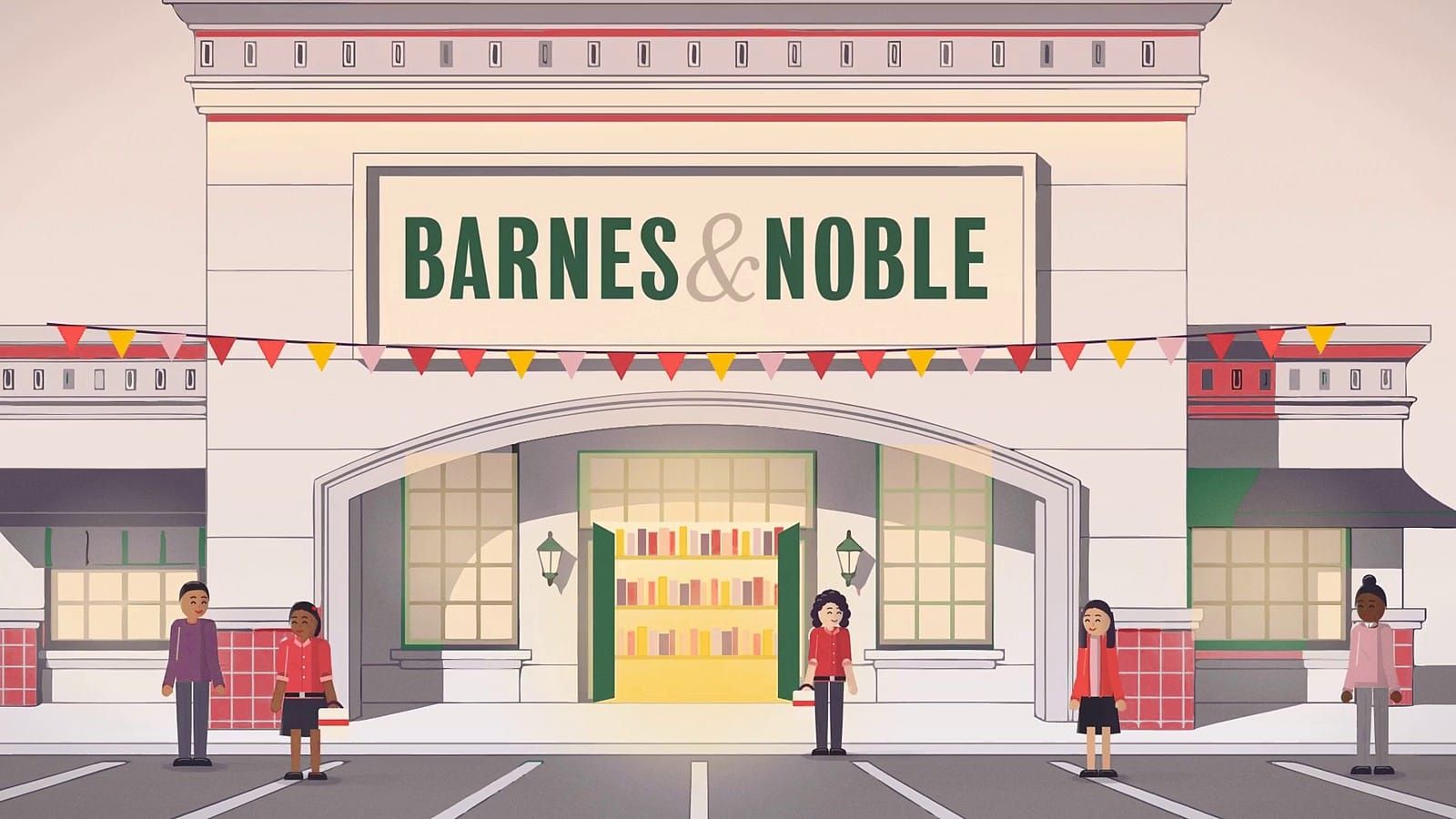
In 2019, Barnes and Noble looked finished. Sales were plunging, stores were closing, and four CEOs in as many years couldn't revive the fortunes of America's largest bookseller.
Today it's opening new stores, and foot traffic is up a third (double the gain of other bookstores). Its CEO, James Daunt, turned it around by letting each store run itself like an independent bookshop. The comeback ranks as one of the most remarkable in retail in recent memory, with plenty of lessons for any organization that runs on rules and central control.
It's also among my favorite new cases in the updated edition of Humanocracy, and we've turned it into a 9-minute illustrated video.
In it, you'll learn about the practical steps Daunt and his colleagues took to bring the chain back:
⬜ Shrink the center. In Daunt's first four months, B&N halved head office's buyers and marketers and ended the lucrative publisher deals that brought cookie-cutter layouts. Today a small three-person team handles purchasing for the whole network.
🟨 Empower teams. Store teams now choose their own books, arrange their displays and set prices to suit local tastes. Daunt's advice was to "think it through yourselves." With autonomy came accountability for results.
🟧 Connect employees. Stores formed regional clusters to share ideas and talent, so a visual merchandising whiz or an events coordinator can work across several stores.
🟥 Get out of the weeds. Most KPIs went, and so did the foot-traffic counters at store entrances. Store leaders were told to "concentrate on being nice."
🟪 Create meaningful careers. B&N hired more full-time booksellers and built better paths to grow, since a great bookstore depends on the wisdom and passion of its staff.
Together, these changes unleashed a torrent of creativity and initiative, and performance followed.
I hope you enjoy it. Let me know what you think!